
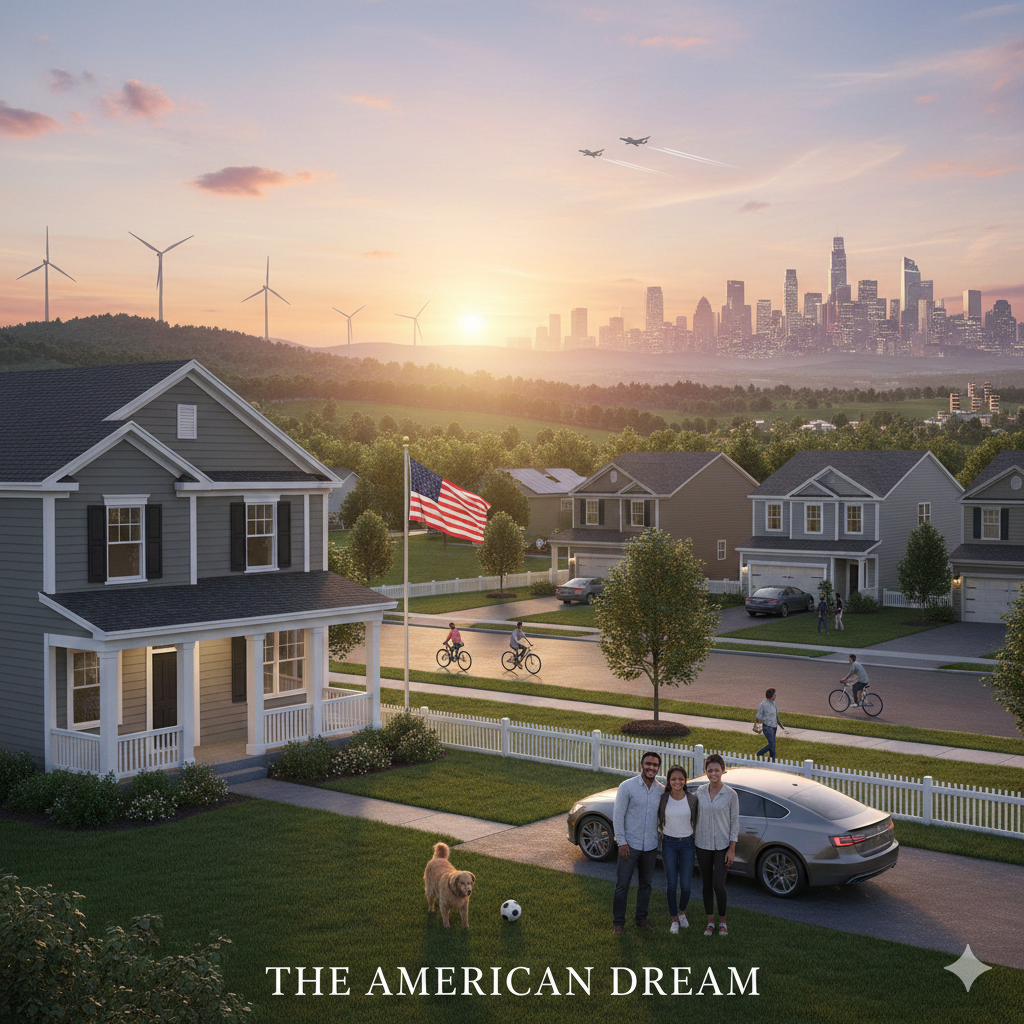
The Rise of Build-to-Rent: Redefining the “American Dream” in 2026
The U.S. housing market in 2025 is facing a historic shift. With homeownership currently at its most unaffordable level in recorded history—largely due to a shortage of roughly 3.9 million units and mortgage payments costing 52% more than average rent, a new model is taking center stage: Build-to-Rent (BTR).
Once a niche strategy, BTR has officially entered the mainstream. These communities consist of single-family homes or townhomes built specifically for long-term rental rather than sale. In 2025, BTR is projected to account for 6.3% of all multifamily deliveries nationwide, providing a scalable solution to the housing crisis.
Pros of the Build-to-Rent Model
For Investors:
- Superior Yields: BTR properties currently deliver annual yields of 8–12%, significantly higher than traditional buy-to-let models (5–8%).
- Operational Efficiency: Managing an entire community in one location allows for economies of scale. National contracts for maintenance and professional property management reduce overhead costs.
- Stable Income Streams: Single-family renters tend to stay for an average of 5.6 years, significantly longer than apartment dwellers—which minimizes turnover and vacancy losses.
- Institutional Resilience: Massive capital is flowing into the sector (a projected $40 billion over the next 18 months), signaling institutional confidence in BTR as a defensive asset class.
For Tenants:
- Single-Family Lifestyle Without the Debt: Families and “lifestyle renters” enjoy the privacy, square footage, and yard space of a house without needing a massive down payment.
- Modern Amenities: BTR communities often include “placemaking” features similar to luxury apartments, such as fitness centers, parks, and on-site maintenance.
- Affordability Relative to Buying: In late 2025, renting a BTR home is, on average, $440 per month cheaper than owning a comparable property.
Cons of the Build-to-Rent Model
For Investors:
- High Upfront Capital: Starting a BTR community requires substantial initial investment of several million dollars depending on the region—and a patience-heavy timeline of 3–5 years for a full return.
- Construction Risks: Developers face 2025 challenges like high labor costs, zoning hurdles, and “checkerboard” site grading issues that are more complex than traditional multifamily projects.
- Market Saturation: Rapid growth has already led to “oversupply” in certain Sun Belt submarkets (like parts of the Southwest), causing temporary dips in rent growth.
For Tenants:
- Higher Rents: Renters typically pay a 10% to 20% premium for BTR homes compared to standard apartments of the same size.
- Less Customization: Unlike owning, residents cannot significantly renovate or personalize their interiors, as the communities maintain a uniform aesthetic.
- Stringent Rules: BTR neighborhoods often have strict HOA-style guidelines regarding parking, pets, and outdoor space that may feel restrictive compared to private rentals.
Summary Conclusion
The Build-to-Rent model is no longer just a “workaround” for the housing shortage; it is a fundamental evolution of residential real estate. For investors, it offers a high-yield, scalable hedge against economic volatility. For renters, it provides a practical path to the American dream of single-family living in an era of crushing mortgage rates. While supply chain disruptions and local zoning remain hurdles, the BTR sector is set to remain a “beacon of hope” for the 2025 housing landscape, bridging the gap between the flexibility of renting and the comfort of home.
