
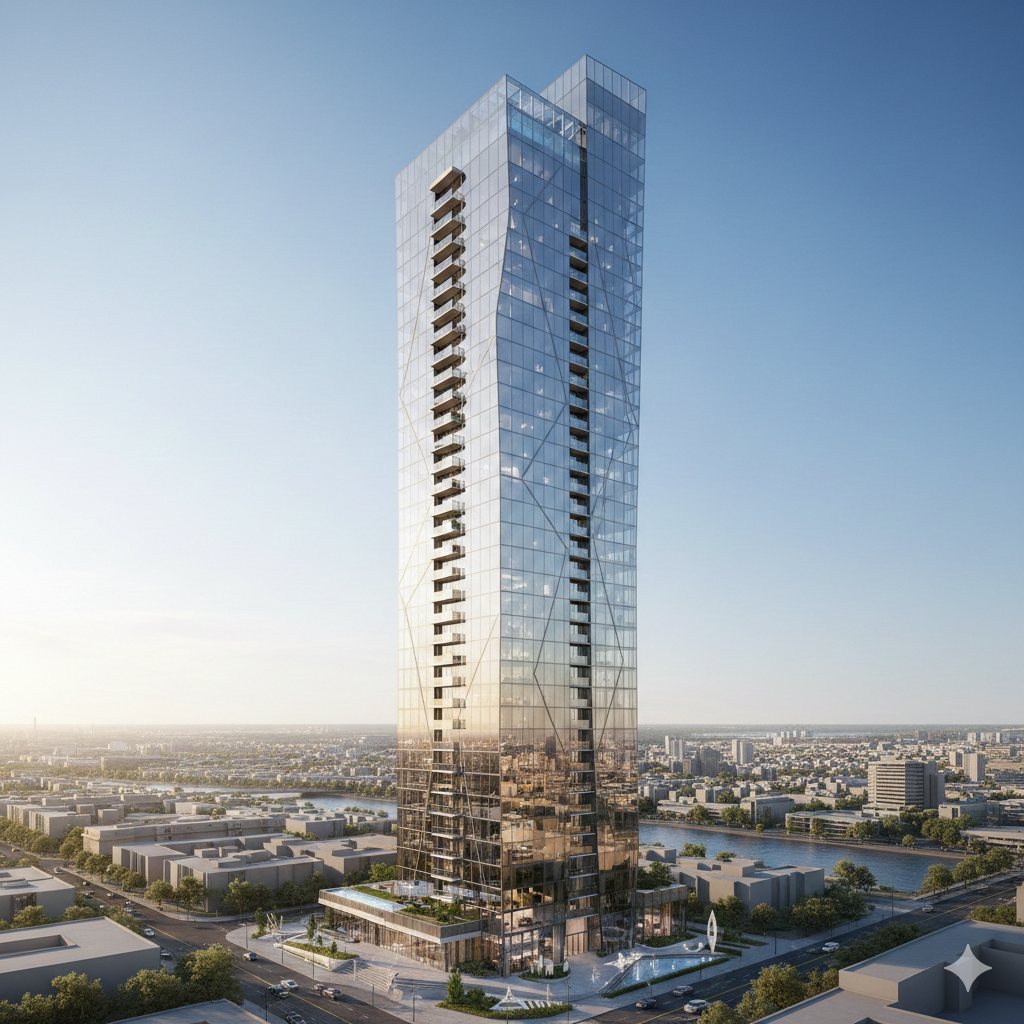
If you’ve driven through any “hot” U.S. market lately—whether it’s the booming tech hubs of the South or right here in the Pacific Northwest—you’ve seen them. Sleek, glass-heavy buildings with names like The Luminary or Vertex, featuring rooftop dog parks, “wellness” centers, and lobby coffee bars.
For the average person trying to find an affordable place to live, these luxury towers can feel like a slap in the face. It seems like developers are only building for the ultra-wealthy while the rest of us are left to fight over the “normal” apartments.
But here is the surprising news from the 2025 housing market: All those luxury apartments are quietly making your rent cheaper.
At The Lachlan Group, we spend our days analyzing rental data, and what we’re seeing right now is a phenomenon known as “filtering.” Here is how the arrival of a $3,000-a-month luxury studio can actually save you money on your $1,600-a-month townhome.
1. The “Musical Chairs” Effect
Think of the housing market like a giant game of musical chairs. When there aren’t enough chairs (apartments) for everyone, the people with the most money always win. They end up bidding on the “average” apartments, driving those prices up.
When a massive luxury building opens, the high-earners move out of the older, mid-range apartments and into the new shiny ones. This leaves their previous, more affordable apartments vacant. Suddenly, landlords of older buildings have to compete for you, rather than you competing for them.
2. The Battle for Tenants
In 2025, we are seeing a record-breaking number of new apartment completions. When a city gets hit with a “supply shock” of 500 new luxury units at once, the owners of those buildings get nervous about empty rooms.
To fill them, they start offering “concessions”—things like two months of free rent or zero security deposits. When the “fancy” building down the street effectively lowers its price through these deals, the landlord of the older building next door has no choice but to keep their rent stable or lower it to stay competitive.
3. Supply is the Only Real Cure
We often hear that “luxury housing causes gentrification,” but the data in 2025 is telling a different story. In markets where construction is booming, rent growth is flatlining or even dropping. In markets where people fight against new buildings, rents are continuing to skyrocket.
By adding “top-tier” supply, we take the pressure off the “bottom-tier” supply. It’s a pressure valve for the entire city.
How This Affects You
At The Lachlan Group, we’ve noticed that tenants in mid-range properties now have more “leverage” than they’ve had in years. If your lease is up for renewal, you might find that you have room to negotiate, or at the very least, you won’t see that dreaded 15% rent hike we all feared a few years ago.
The Bottom Line
It’s easy to roll your eyes at a building with a “yoga studio” you’ll never use. But every person who moves into that building is one less person out-bidding you for a modest, comfortable home.
Whether you’re an investor looking to position your property or a renter trying to navigate the 2025 market, The Lachlan Group is here to help you make sense of these shifts. The “American Dream” of an affordable home isn’t dead—it’s just being supported by some very unlikely, very glass-covered neighbors.
