

The U.S. Department of the Treasury has actively expanded its program of buying back its own outstanding bonds, a strategy intended to enhance market function and manage public debt more efficiently. The recent move in August 2025 increased the aggregate size of cash management buybacks to an annual maximum of $150 billion. This action has sparked debate among financial analysts regarding its implications for the broader economy.
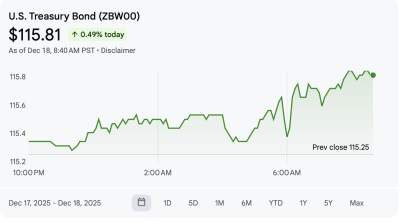

Pros of the Treasury’s Move
- Improved Market Liquidity: The primary goal of the buyback program is to bolster liquidity in the Treasury market, particularly for “off-the-run” (older, less actively traded) securities. By providing a predictable opportunity for large participants (like primary dealers) to sell these bonds, the Treasury ensures smoother trading, which is vital for the market’s stability.
- Efficient Debt Management: Buybacks give the Treasury flexibility to manage the overall maturity structure of the public debt. They can absorb excess cash when tax revenues are high or pay off older, higher-interest debt with new, lower-interest debt, potentially reducing the government’s total interest costs over time.
- Lower Borrowing Costs: By enhancing market function and making Treasury securities more attractive to hold, the program can indirectly help keep overall government borrowing costs down, as a liquid market generally commands a premium. Lower Treasury yields also serve as a benchmark for other borrowing rates in the economy, impacting everything from mortgages to small business loans.
- Reduced Volatility: The program aims to reduce volatility in the Treasury’s cash balance and bill issuance, ensuring a more stable and predictable financing calendar.
Cons of the Treasury’s Move
- Masking Fiscal Risks: Some critics argue that the buybacks, while supporting market liquidity, might be masking deeper fiscal risks associated with the soaring U.S. debt and interest costs. The U.S. government owed a substantial $37.8 trillion in debt in 2025.
- Confidence Issues: The very necessity of the government’s intervention to support liquidity might signal underlying issues in demand from big financial players, which could, in a negative feedback loop, undermine long-term confidence in U.S. Treasuries.
- Debt Structure Concerns: While buybacks can slightly shorten the weighted average maturity of the debt, the impact is minimal. The government is often replacing the repurchased debt by issuing new debt, often at currently higher interest rates, which can increase long-term interest costs.
- Perception of “QE-lite”: Although the Treasury program differs from the Federal Reserve’s Quantitative Easing (QE), as it uses existing cash to retire debt rather than creating new money. Some perceive it as a form of “yield curve control” or “QE-lite,” which can lead to concerns about inflation or the dollar’s value coming into question.
Summary Conclusion
The U.S. Treasury’s bond buyback program is a technical, operational strategy designed to ensure the smooth functioning of the world’s most important financial market. From a management perspective, the program successfully enhances liquidity and provides flexibility in debt management. However, these technical benefits do not erase the fundamental, long-term challenges posed by high national debt levels and rising interest costs. The buybacks are a sound tool for market mechanics but are not a substitute for broader fiscal solutions.
