
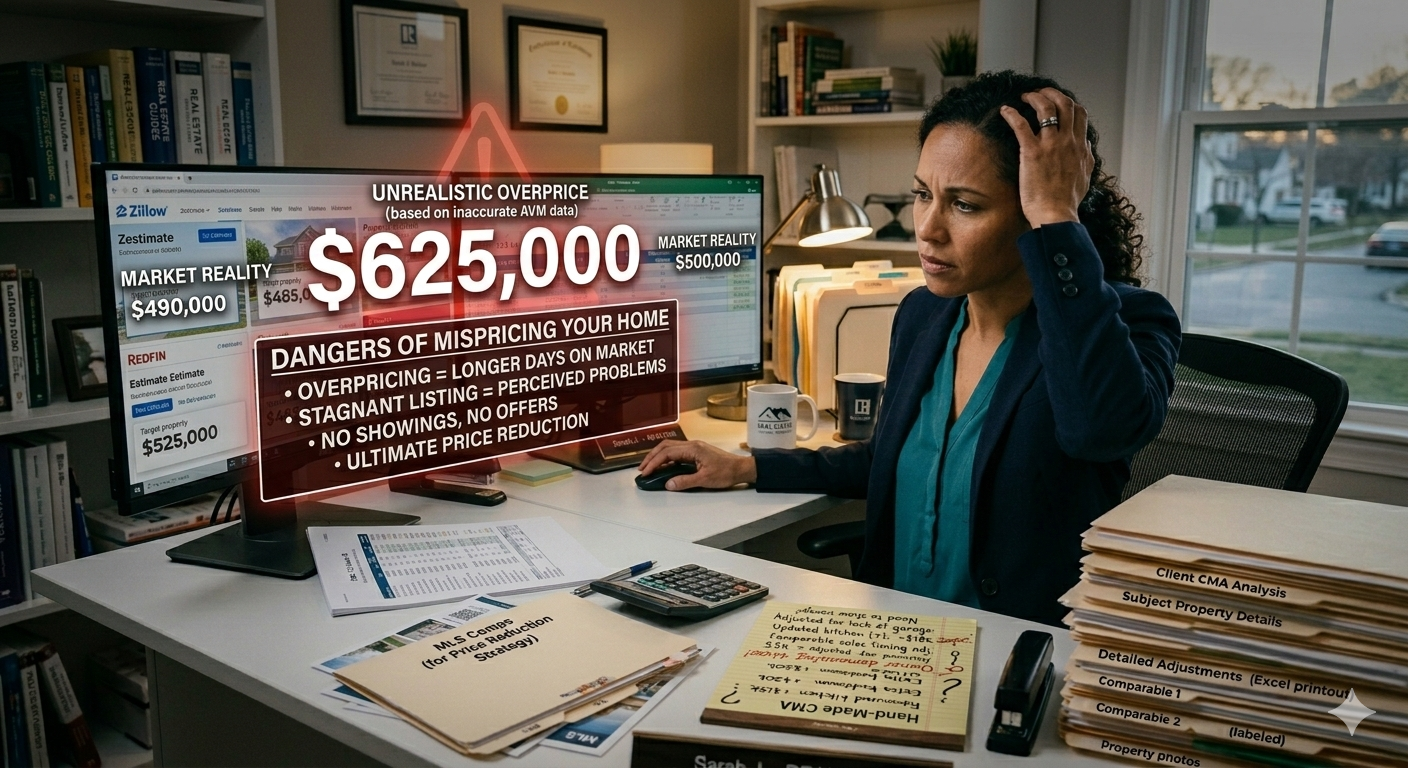
In 2026, the Zillow Zestimate continues to be a central, albeit debated, fixture of the U.S. residential real estate market. While it serves as a powerful “starting point” for millions of users, understanding the engine beneath the hood is critical for any homeowner or buyer.
Anatomy of the Zestimate Algorithm
The Zestimate is a proprietary Automated Valuation Model (AVM) that uses advanced artificial intelligence and neural networks to predict home values. It processes millions of data points across over 100 million U.S. homes.
The algorithm derives its value from four primary data streams:
- Public Records: Tax assessments, property tax history, and county courthouse records.
- MLS Data: Recent sales prices, listing details (square footage, room counts), and days on market.
- User-Submitted Data: Information from homeowners who “claim” their home on Zillow to update facts like a finished basement or a new roof.
- Computer Vision: Zillow’s AI analyzes listing photos to gauge “curb appeal” and interior finish quality (e.g., distinguishing between laminate and quartz countertops).
Accuracy Analysis: Reliable or Risky?
Zillow’s accuracy is not a single fixed number; it varies drastically depending on whether a home is currently for sale.
- On-Market Homes (High Accuracy): For homes currently listed, the nationwide median error rate is ~1.9%. This is because the algorithm “cheats” slightly by incorporating the actual asking price into its calculation.
- Off-Market Homes (Lower Accuracy): For homes not for sale, the median error rate jumps to ~7%. In diverse or rural markets, this error can exceed 12–20%, potentially mispricing a home by tens of thousands of dollars.
Why Accuracy Fails: Algorithms struggle with “micro-market” nuances—such as whether a home faces a busy street or a quiet park and cannot see unrecorded interior damage or unpermitted upgrades.
The Dangers of Mispricing Your Home
Basing a listing price solely on a Zestimate can lead to significant financial and strategic setbacks in 2026:
- Overpricing Risks: In the current 2026 market, buyers are sensitive to overpricing. Overpriced homes often “sit” on the market, becoming “shopworn” and eventually selling for less than they would have if priced correctly from day one.
- Underpricing Risks: While it can spark a bidding war, extreme underpricing may leave significant equity on the table, especially if the Zestimate failed to account for a high-end renovation.
- Appraisal Gaps: Lenders require professional appraisals. If your “Zestimate-based” price is higher than what a human appraiser finds, the deal may fall through or require last-minute seller concessions.
How Real Estate Brokers Price Homes
Unlike a computer, a real estate broker performs a Comparative Market Analysis (CMA), which is a subjective, human-led evaluation.
- The “Comps” Selection: Brokers manually select 3–5 “Active,” “Pending,” and “Sold” homes that truly match yours in style, age, and condition.
- Adjustments: Brokers make line-item adjustments. If a neighbor’s house has an extra bathroom, the broker subtracts that value from the neighbor’s price to see what it would be worth if it were identical to yours.
- Condition & Location Nuance: Brokers walk through your home to assess things an algorithm misses, such as the smell of pets, the quality of natural light, or the impact of a nearby construction project.
- Market Sentiment: Brokers gauge current “buyer heat” understanding whether inventory is rising (as it is in early 2026) and how that affects your leverage.
